

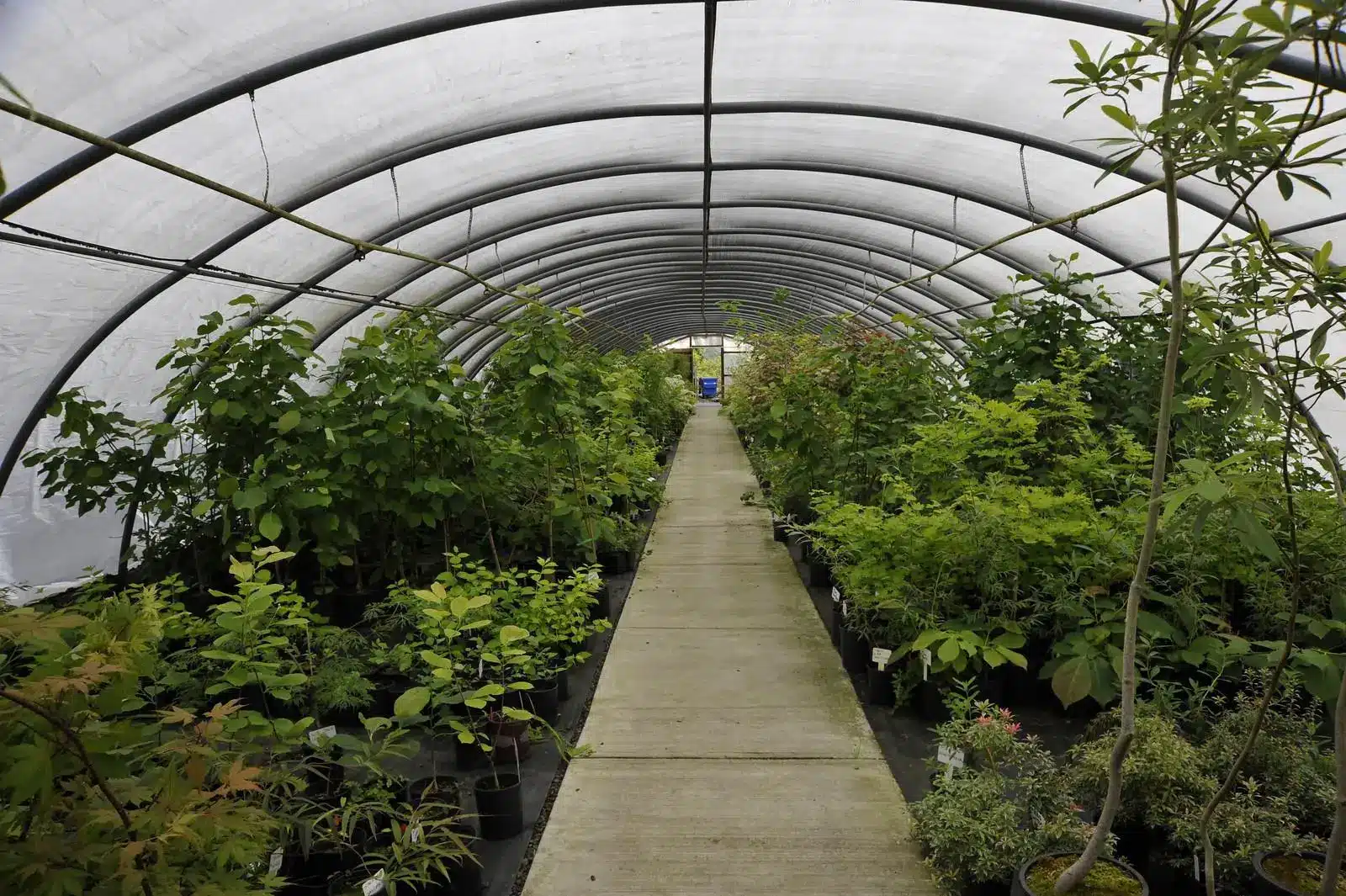
Shopping for the proper shade cloth for vegetable gardens can be challenging. These rolls of netting come in many different weave patterns and colors, and their ability to block out the sunlight can vary depending on the density of the netting.
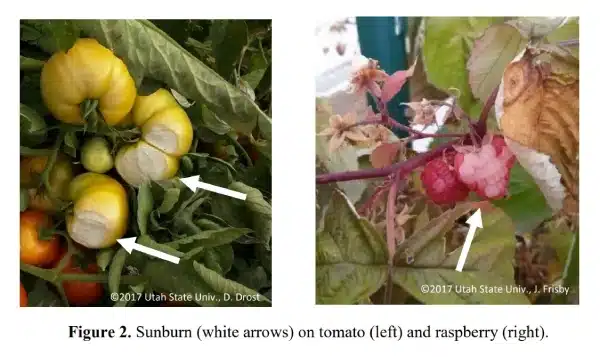
Sunburn on Tomato and Raspberry
These nets vary because they are each specially developed to accommodate specific plant species in particular environments. The right shade net can make a difference in your yields by protecting your plants from insects, high temperatures, and sunburn. So, how do you select the correct shading for a vegetable garden? Let’s take a look.
What Percentage of Garden Shade Cloth is Best?
The best shade cloth for growing vegetables is one that provides 20% – 40% shade. A shade percentage level below 20% usually doesn’t provide adequate protection from radiation and scorching rays.
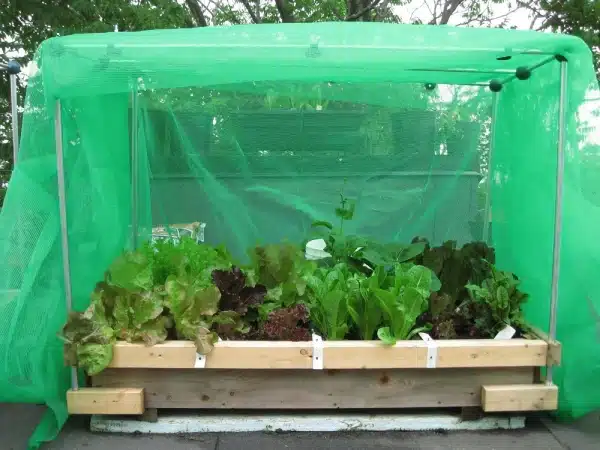
30% Shade Cloth for Garden Vegetables
Researchers also found that shade cloths with a shade percentage over 40% block out too much sunlight and restrict photosynthesis, which causes plants to grow more slowly, leggier, or to hinder flowering. However, other factors, such as the following, impact the effect obtained from shade cloths.
1. Geographical Location
Farmers in warmer regions with more direct sunlight can benefit more from shade cloth with a 30 – 40% shade range, while those in colder, higher-humidity regions can consider something with a lower 20 – 30% shade range.
2. Crop Type
Some vegetables are more sun-dependent than others, and the fruits of some species are more sensitive to sunburn. Legumes, for example, will start showing flower drops and other signs of damage when temperatures reach 90 degrees F or higher. On the other hand, strawberries will show signs of sunburn damage when temperatures reach over 105 degrees F.
3. Season
Your shade cloth needs may vary depending on the season. Temperatures are much lower in winter, and plants often struggle due to reduced photosynthesis and colder conditions.
Farmers who want to grow crops year-round often invest in removable shade cloth systems to increase sunlight as the seasons progress. Exchanging a 40% shade cloth used in summer for a 20% shade cloth in autumn can be suitable for increasing your annual yields, since crops can continue producing for much longer.
4. Cloth Durability
Shade cloth with a low shade percentage level is usually much thinner than cloth with a higher percentage. Lighter-shade fabrics tend to be more fragile and are more likely to tear or become damaged during use.
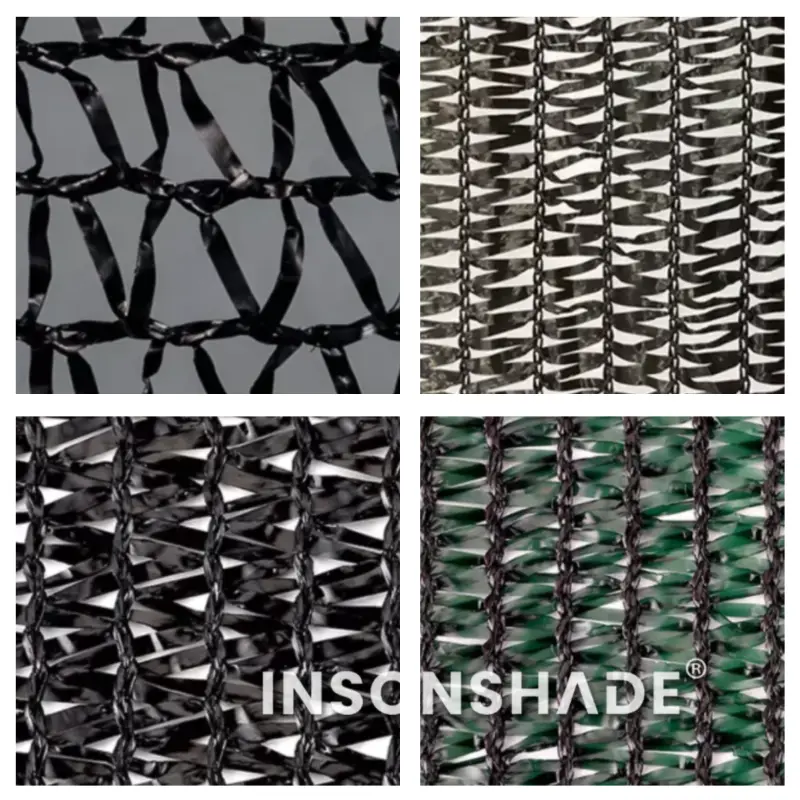
Agricultural shade fabric samples
If you are buying with longevity in mind, it is usually better to go with something a little bit thicker, even if that means altering the shade cloth’s orientation or the distance between the fabric and the crops.
5. Installation Method
Shade cloths can be used in different orientations, angles, or distances to protect crops. If you are using a shade cloth as a windscreen, select a 85-90% greenhouse shade cloth, as this will offer optimal protection from frost.
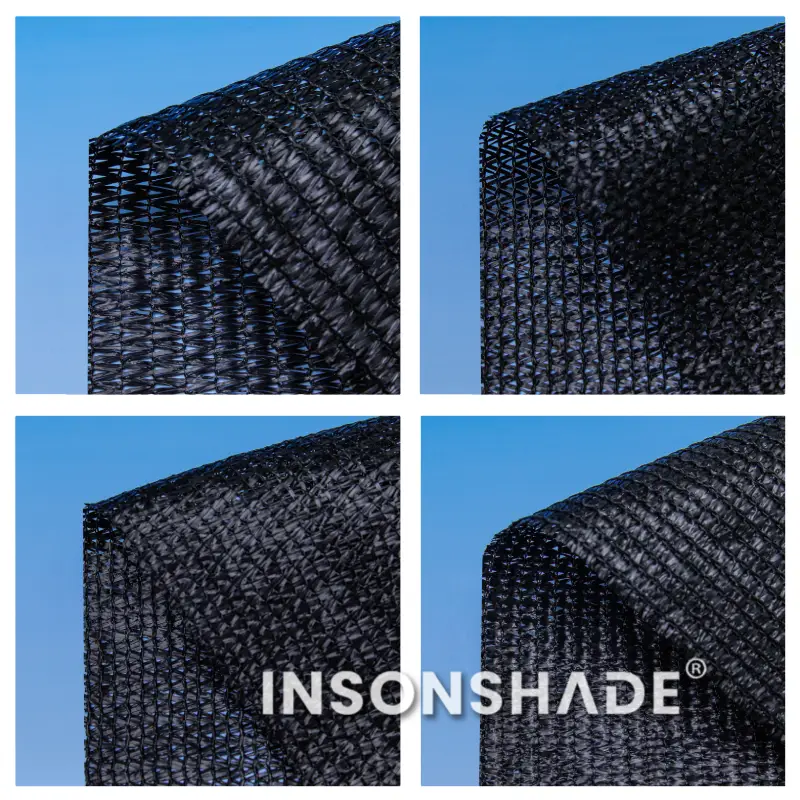
Heavy monofilament shade net – 90% – 95% shade rate
Shade cloth used for partial shading can also have a higher shade percentage than that used for permanent installation. You can select something with 50% shade for partial shade since the plants will still get enough indirect sunlight. For an enclosed tunnel and a permanent setup, selecting a 30% shade cloth is usually best, as it tends to be the most diverse.
What Color of Shade Cloth is Best for Vegetables?
Shade cloth comes in various colors, and these different hues can significantly affect temperature because the fabric’s color affects how radiation passes through it.
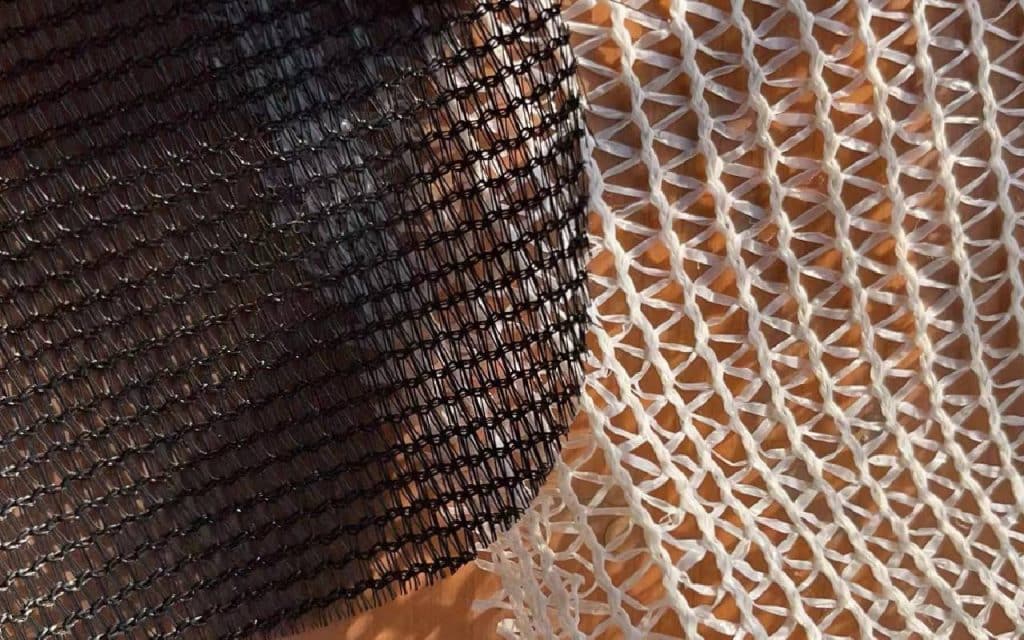
White shade cloth vs black shade cloth
Black is the most common color for shade cloths, but other hues include white, silver, green, blue, and red. Some shade cloths even come with multiple colors woven through the fabric.
The combination of colors can affect how radiation is scattered and moves through the netting. This can be beneficial, as scattered radiation has been shown to enhance photosynthesis and increase plant growth and flowering. Let’s look at the different effects of shade cloth coloring.
1. Black or Green Shade Cloth
These darker hues are much more durable than shade netting with a lighter tint. The darker colors, however, conduct more heat and can dramatically increase the temperature in a greenhouse. These greenhouses can be cooled slightly by keeping the materials moist with spray nozzles during the hottest time.
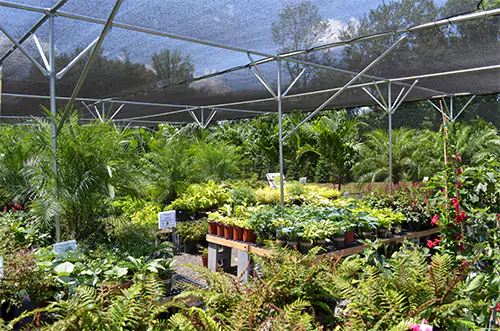
Black shade cloth
In most cases, a darker shade cloth might be a better option for heat-tolerant plant species or for colder regions, since it can keep your greenhouse nice and cozy for longer.
2. White, Tan, or Grey Shade Cloth
Light-colored shade cloths are less durable than dark netting. Still, the interior temperature of these greenhouses tends to be much cooler because the materials deflect UV rays and radiation.
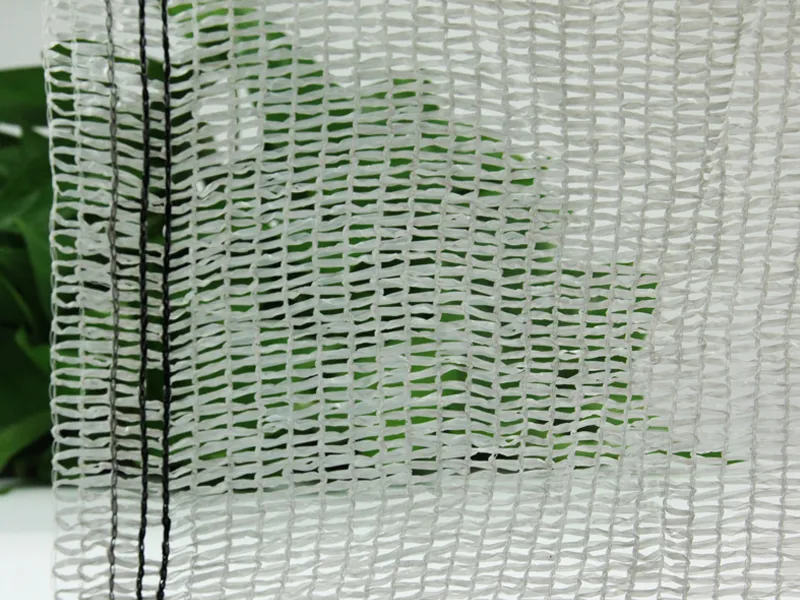
White shade cloth
Light shade cloth can be a perfect option for plants sensitive to high temperatures, for warmer regions, or can be very functional during the hottest time of the year.
Recommended Garden Shade Cloths
We have several suitable options if you are looking for quality agricultural netting to protect your vegetable gardens for years. Here is a quick look at some of the best home greenhouse or garden options.
1. 30% Tape Knitted Shade Fabric
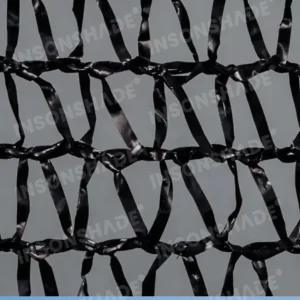
30% shade cloth
The 30% knitted shade cloth rolls are perfect for covering greenhouses or as temporary netting because they provide just enough shading to accommodate most crop varieties. The knitted weave pattern of the shade cloth is quite flexible and offers good tear resistance, so you can keep using it for a long time. It also comes in various colors, including white.
2. 30 – 90% Greenhouse Netting
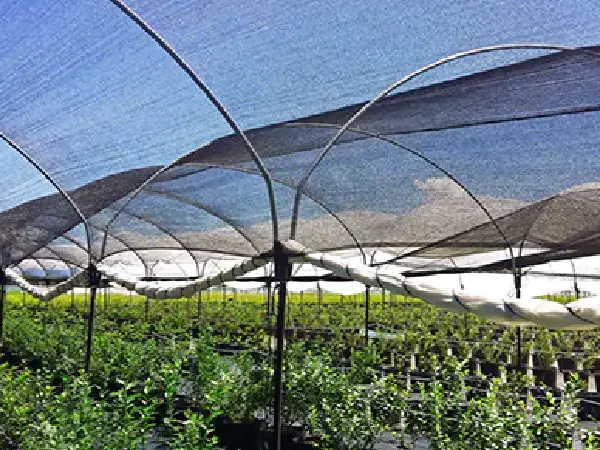
Greenhouse shade netting
INSONSHADE premium greenhouse netting is an ideal solution for covering more permanent structures. This netting is available in a 30% to 95% shade range to accommodate a wider variety of farming needs.
FAQ’s
1. What are The Benefits of Shade Netting?
Shade netting offers numerous benefits. These nets help protect your crops from sunburn, wind, frost, and pests. Shade netting can also reduce water evaporation and increase humidity, so plants can grow better. Shade netting can also affect temperatures and may prolong your growing season by providing protection from cold and heat, depending on its design.
2. What Types of Netting Are There?
These shade cloths come in two main categories;
Knitted Shade Net
The netting is designed with interlocking loops of thread, resulting in a more flexible, stretchy material with excellent tear resistance.
Woven Shade Net
The Woven shade net is designed with interlaced treads at straight angles in a weave pattern. The netting tends to be more rigid and often blocks more direct sunlight.
3. What are The Shading Ratings of Shade Cloths
Shade netting can block anywhere from 10% to 90% of sunlight, depending on the design and materials used. A 10% netting will still let 90% of light and UV rays pass through the net, while a 90% net will only let 10% of sunlight through.
Conclusion
The right shade percentage for vegetables is 20-40% netting. A 30% shade cloth is ideal because it’s a bit thicker and more durable, and it won’t block out too much sunlight. If you live in warmer regions, it is always best to use light-colored shade cloth. A darker hue may be more suitable for colder areas, as it can raise the temperature in your vegetable garden.
If you are looking for the perfect shade of cloth or need more information on the suitable fabric for your products, we welcome you to email INSONGREEN. We are happy to answer any questions and help you find the right product for every crop type or region.
Reference List
- Using Shade for Fruit and Vegetable Production
- Shade Cloth and other aids for Cooling Plants – Phyllis Pugnetti
- Keeping it Cool: Shading for your Veggies – Dr Stepphanie Walker
- Shade Cloth for Bell Peppers – Emmalea Ernest
- Shade for Cooling Greenhouses – Centre for Agriculture
One Comment
Leave a Comment
Dina
I need your help, I live in Mexico and the temps can reach 90-100 degree at times so i need a huge shade-cloth, like nurseries. But the reainy season we get much less sun & lots of rain. The thick is good for the summer, but i dont have any idea what to use during rainy season for my vegetable garden. Do i have to replace or just leave open during rainy season? What is the best material&color for my garden? Thank you